

 Tyler McFarland on September 25, 2022
Updated on December 13, 2023 Reviewed and fact-checked Found a mistake? Let us know!
Is drinking Waterloo (brand of sparkling water) a healthy choice?
Yes, drinking Waterloo sparkling water is a healthy choice. It is sugar-free, zero-calorie, and does not contain artificial sweeteners, sodium, or any processed ingredients.
Continue reading to find out more and check your knowledge!
Ingredients to be cautious about
- Artificial sweeteners: Artificial sweeteners like aspartame and sucralose, found in many beverages, can increase the risk of obesity, weight gain, and other health issues.
- Sugar: Waterloo is free of sugar, which is a major contributor to obesity, weight gain, and increased risk of chronic diseases like diabetes and heart disease.
- Added sweeteners: Waterloo does not have any added sweeteners, which can contribute to weight gain, increased calorie intake, and negative effects on overall health.
- Artificial colors: Unlike many other drinks, Waterloo does not contain artificial colors, which have been linked to health issues like hyperactivity in children and potential cancer risks.
- Sodium: Waterloo is sodium-free, which is beneficial for individuals looking to maintain a low-sodium diet and reduce the risk of high blood pressure and heart disease.
Possible short-term side effects
- Increased risk of obesity, weight gain, and other health issues
- Increased risk of chronic diseases like diabetes and heart disease
- Contributes to weight gain and increased calorie intake
- Negative effects on overall health
- Potential cancer risks
- Increased risk of high blood pressure and heart disease
Possible long-term side effects
- Obesity
- Weight gain
- Chronic diseases like diabetes and heart disease
- Increased calorie intake
- Negative effects on overall health
- Hyperactivity in children
- Potential cancer risks
- High blood pressure
Benefits
- Sugar-free
- Zero calories
- No artificial sweeteners
- No artificial colors
- No added electrolytes
- Simple and minimal ingredients
- Avoids all sugars, sodium, and processed ingredients
- Hydrating
- Suitable for low-carb and keto diets
- Does not break a fast
- Minimally erosive to tooth enamel
- Does not have sodium
- No caffeine
- Can be consumed daily
- Nutritionally similar to LaCroix
- Vegan-friendly
Healthy alternatives
- Waterloo sparkling water
Did you know...? 🤔
Does Waterloo Sparkling Water contain any calories?
Is Waterloo Sparkling Water flavored?
Does Waterloo Sparkling Water contain any sweeteners?
Related videos
Nowadays, it seems like every drink you can buy has something sketchy in it. If it’s not sugar, it’s usually artificial sweeteners or colors. Even with sparkling water like Waterloo, some people say it’s bad for your teeth. Today, let’s look closer… Is Waterloo healthy?
Waterloo is a sugar-free, zero-calorie sparkling water that is generally considered healthy. Unlike other sparkling water beverages, Waterloo does not have artificial sweeteners, sugar, or any sweetener at all. It is also sodium-free.
Below, I’ll address whether Waterloo is good for hydration, weight loss, dental health, and more. I’ll discuss what is really in the “natural flavors” in Waterloo, and I’ll compare it side-by-side with diet soda and LaCroix to see which is best.
Is Waterloo Sparkling Water Good for You?
Here are the 13 questions we’re going to cover on Waterloo nutrition. Click to skip ahead to any of them—or just scroll down to read it all:
- What Ingredients Are in Waterloo Sparkling Water?
- Is Waterloo Good for Hydration?
- Is Waterloo Good for Weight Loss?
- Is Waterloo Healthier Than Diet Soda?
- What Is in the “Natural Flavor” in Waterloo?
- Does Waterloo Have Artificial Sweeteners?
- Does Waterloo Have Sugar or Carbs?
- Is Waterloo Bad for Your Teeth?
- Does Waterloo Have Sodium?
- Does Waterloo Have Caffeine?
- Is It Ok to Drink Waterloo Every Day?
- Is Waterloo Healthier Than La Croix?
- Is Waterloo Vegan?
1. What Ingredients Are in Waterloo Sparkling Water?
Let’s start by looking at what Waterloo actually contains. The ingredients are actually incredibly simple:
Waterloo Sparkling Water Ingredients: Purified Carbonated Water, Natural Flavors.
Here’s what I notice about these ingredients:
- Waterloo only has two ingredients. I consider this a good thing. Many beverages have long lists of chemical-sounding ingredients. Many of those ingredients may be harmless, but it’s easier to trust a product like Waterloo that is simple and minimal.
- Waterloo is free of sugar. This makes Waterloo an interesting potential choice for dieters. It doesn’t have the calories and carbs usually found in sweetened drinks. Below, we’ll look at Waterloo for weight loss.
- Waterloo is free of artificial sweeteners. Most artificial sweeteners (and even natural sweeteners like stevia) come with possible health risks. At the least, the long-term effects are not fully known. But with Waterloo, you don’t have to worry about that.
- Waterloo has no artificial colors. Many sodas and other drinks have artificial colors. Since such dyes are controversial for safety and may cause hyperactivity in some children, it’s positive that Waterloo doesn’t have any.
- Waterloo has “Natural Flavors.” What does that mean exactly? We’ll discuss the details below, but it’s generally not considered to be unhealthy or unsafe.
- Waterloo doesn’t have added electrolytes. And that’s probably fine. Unless you’re exercising or sweating hard, you don’t really need extra electrolytes in your beverages.
Overall, Waterloo’s ingredients are not bad. It is rare today to find a drink that actually avoids all sugars, artificial sweeteners, sodium, and other processed ingredients.
2. Is Waterloo Good for Hydration?
Waterloo is a fine choice for hydration. It is mostly water. The only ingredients besides water are carbonation and natural flavors. However, Waterloo does not replenish your electrolytes or glycogen stores.
Waterloo may not be the optimal choice if you are acutely dehydrated or at risk of dehydration. In such a situation, you may want to use an oral rehydration solution like Pedialyte, or sports drinks like Gatorade (or Gatorade Zero).
Why? Well, if you are really trying to re-hydrate yourself, you may want a beverage with added electrolytes. Waterloo sparkling water does not have added electrolytes.
In a sports situation, you may also want to replenish your glycogen stores with some simple carbs like sugar, too. Waterloo does not have any carbs.
Another thing to note: Just because Waterloo helps with hydration, that doesn’t mean you should replace all your water with it. Read the sections below on natural flavors and whether Waterloo is bad for your teeth before considering that.
But yes, Waterloo is hydrating. It’s mostly water. Waterloo sparkling water can count as “water intake” for most purposes.
3. Is Waterloo Good for Weight Loss?

One reason people choose zero-calorie drinks like Waterloo is to aid with weight loss. But this issue can sometimes get complicated.
For example, evidence shows that consuming artificial sweeteners is surprisingly ineffective for weight loss. Some evidence even suggests they can even cause weight gain. So, some diet drinks may be less effective than originally expected.
But is there any reason why Waterloo wouldn’t be good for weight loss?
Waterloo is a great choice for weight loss. For every 12 ounces of regular soda or juice you replace with Waterloo, you will consume ~150 fewer calories. That change alone could cause weight loss over time, even without making any other changes.
Replacing high-calorie drinks with Waterloo is essentially the same as replacing them with water, from a dieting perspective. The only other ingredients are “natural flavor” and carbonation, which don’t have calories or any known effect on weight loss.
But remember: The key to weight loss is your overall diet and calorie balance. If you switch to Waterloo but then eat extra snacks, you could cancel out the calorie-reducing impact and stay stuck in a weight-loss plateau.
If your goal is weight loss, you may want to track your calories as I describe in this post—or follow some of these 18 tips for weight loss without counting calories.
4. Is Waterloo Healthier Than Diet Soda?
Waterloo is generally considered healthier than diet soda. Diet sodas usually have artificial sweeteners like aspartame, sucralose, and acesulfame potassium, which have been linked to possible increases in cancer risk, heart disease risk, obesity, and more.
I already covered some of the possible issues with artificial sweeteners above. But it’s worth digging into the details of diet soda nutrition a little bit more here.
There are some “diet sodas” that use natural zero-calorie sweeteners, like stevia. Stevia seems to have fewer problems, based on the research so far. But there still may be some downside, as I covered in my Zevia review.
There can be other sketchy ingredients in diet sodas, too. Diet Coke, for example, has caramel color and phosphoric acid. Both are controversial for their own reasons.
Maybe the controversy is overblown for some of these diet soda ingredients. They may be safe in moderation. But Waterloo avoids all those uncertainties by avoiding those ingredients all together. And I love that.
Waterloo is just carbonated water and natural flavor. It’s simple and pretty easy to trust. But some people are still unsure about that “natural flavor.” So, let’s cover that next.
5. What Is in the “Natural Flavor” in Waterloo?
Waterloo only has two ingredients: Purified carbonated water and natural flavors. But what are the “natural flavors,” really? It’s not normal fruit juice, as that would add some sugar and calories. (That’s why Spindrift has some calories.) So, what is “natural flavor”?
Unfortunately, it’s not easy to find out exactly what is in Waterloo’s “natural flavors.” Here’s what they say on their website:
“All Waterloo’s natural flavor ingredients are derived from non-GMO, vegan sources. Oils, extracts, or essences from the named fruit (or fruits) on each variety are paired with complementary flavors to build our unique, bold taste profile. Using these powerful extracts and oils allows us to pack a lot of flavor without any sugar, sweeteners, or other unwanted additives.” – Waterloo FAQ
So, it’s partly “oils, extracts, or essences” from fruit—but it also includes “complementary flavors.” That is pretty open-ended. What counts as a “complementary flavor”?
Waterloo says their flavors do not have “unwanted additives,” but several flavored water companies have come under fire for exactly that. Consumers have expressed concerns about chemicals that can be legally found in “natural flavors,” like propylene glycol.
Propylene glycol is a food additive sometimes used as a solvent in “natural flavors.” Legally, it doesn’t have to be listed as an ingredient. Some people are freaked out by the fact that it’s also found in antifreeze and paint.
Some flavored water companies have faced class-action lawsuits based on the misleading use of “natural flavors” that include propylene glycol. (Propylene glycol is synthesized from fossil fuels.)
Of course, all the chemicals allowed in “natural flavors” are “generally recognized as safe” (GRAS) by the FDA. So theoretically, there should be no cause for concern, safety-wise. (Propylene glycol seems to be harmless, for example.)
Still, some people may not be satisfied by a vague promise that there are no “unwanted additives” in Waterloo. If you prefer to know exactly what’s in your sparkling water, you may prefer Spindrift, which has real juice, not “natural flavors”
Looking for a sign that it’s time to take charge of your diet? This is it. Watch the Food or Health Masterclass—completely free—and discover the 10 surprising nutrition breakthroughs everyone should know. Reserve your free spot here!
6. Does Waterloo Have Artificial Sweeteners?
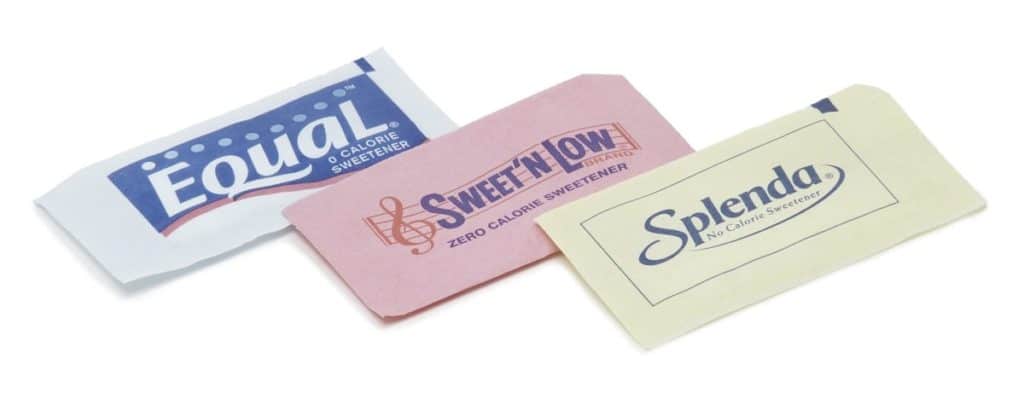
Waterloo does not have aspartame, sucralose, or other artificial sweeteners. Waterloo doesn’t have sugar or stevia, either. The flavors in Waterloo come only from “Natural Flavors.”
This is one of the appealing things about Waterloo. Many zero-calorie flavored waters have artificial sweeteners like aspartame or