

 Tyler McFarland on July 28, 2022
Updated on December 13, 2023 Reviewed and fact-checked Found a mistake? Let us know!
Is Zevia a healthy beverage choice?
Yes, Zevia is a healthy beverage choice as it is all-natural, zero calorie, and free from artificial sweeteners, GMOs, colors, dyes, and phosphoric acid.
Continue reading to find out more and check your knowledge!
Ingredients to be cautious about
- Natural flavors
- Citric acid
- Caffeine
Possible short-term side effects
- Possible digestive issues
Possible long-term side effects
- Tooth decay
- Diabetes
- Weight gain
Benefits
- No phosphoric acid
- No colors/dyes
- Contains antioxidants
- Vegan
- Dolor
- Gluten free
- Non-GMO
- Kosher
- Lorem
- No effect on blood sugar, insulin, cholesterol, or triglycerides
- Lower blood pressure when elevated
- Anti-inflammatory
- No artificial flavors/sweeteners
Healthy alternatives
- LaCroix sparkling water
- Kombucha
- Harmless Harvest coconut water
- Vita Coco coconut water
- Hiball energy drink
Did you know...? 🤔
Is Zevia a healthy beverage choice?
Are there any short-term side effects of drinking Zevia?
Does Zevia contain artificial sweeteners?
Related videos
Diet sodas have a bad reputation—most have artificial sweeteners with possible links to cancer and more. Zevia looks better at first, as it avoids the most controversial ingredients… But is it really healthy, or just marketing hype?
Zevia is relatively healthy, as it is sweetened with stevia, not sugar or artificial sweeteners. However, stevia may still cause blood-sugar issues and even mutagenic DNA damage if consumed in excess. The World Health Organization (WHO) suggests limiting stevia consumption to about two drinks per day.
Below, I’ll discuss the evidence about whether Zevia raises blood-sugar levels, whether it’s a good choice for weight loss, and more. I’ll compare Zevia with other diet sodas and regular sodas, to help you make better choices.
Is Zevia Bad for You?
Here are the 10 specific questions I’ll be answering about Zevia nutrition. Click any of them to skip to that section—or just keep scrolling to read them all:
- What Ingredients Are in Zevia?
- What Is Zevia Sweetened With?
- Does Zevia Raise Blood Sugar?
- Is Zevia Good for Weight Loss?
- Does Zevia Have Caffeine?
- Is Zevia Healthier Than Regular Soda?
- Is Zevia Healthier Than Other Diet Sodas?
- Does Zevia Count As Water Intake?
- Can You Drink Zevia Every Day?
- Is Zevia Vegan?
1. What Ingredients Are in Zevia?
Let’s start by looking at what Zevia actually contains. We’ll look at the Orange flavor, but other flavors are similar, with some exceptions I’ll note below:
Ingredients: Carbonated Water, Stevia Leaf Extract, Natural Flavors, Citric Acid.
Here are my takeaway points on these ingredients:
- Zevia is sweetened with stevia leaf extract. Stevia is a natural, zero-calorie sweetener. It has a better reputation than most artificial sweeteners, such as aspartame and sucralose. But there are still some concerns if you’re consuming a lot. We’ll explore these possible issues below.
- Zevia has no artificial colors or “caramel color.” Many zero-calorie drinks have artificial colors, which are controversial for safety—but Zevia doesn’t have any. Also, compared to most colas, Zevia cola avoids the possible carcinogen associated with “caramel color.” This is great.
- Zevia has no phosphoric acid. Phosphoric acid is another one of the unhealthy ingredients often found in colas—it’s been linked to osteoporosis and lower bone density, as well as cavities and tooth decay. But, Zevia doesn’t have it! Nice.
- Zevia is sodium free. Most sodas have 35mg to 65mg of sodium, which can add up if you’re having multiple drinks. But Zevia has 0mg of sodium, with no added salt or anything of the sort.
- Zevia has simple, minimal ingredients. Overall, compared to most soda, Zevia just has a short, simple ingredients list. This is kind of nice, in my opinion. Some flavors have added caffeine or tartaric acid—but nothing sketchy.
- Some Zevia flavors have caffeine—some don’t. Caffeine may actually reduce risk of Alzheimer’s and Parkinson’s. But it’s habit forming, and too much can disrupt sleep. Zevia has caffeinated and caffeine-free flavors. More on Zevia’s caffeine below.
Overall, I see fewer problems with Zevia’s ingredients compared to most sodas, especially common colas. Zevia doesn’t have the same artificial colors, artificial sweeteners, sugar, caramel color, or phosphoric acid.
However, let’s take a closer look at stevia in the next section. Can you really trust this sweetener?
Related question:
- Where does Zevia get its flavor? Stevia gets its flavor from stevia leaf extract and natural flavors. The source of the natural flavors is not specified on the label, but they are likely extracts and oils from plants.
2. What Is Zevia Sweetened With?
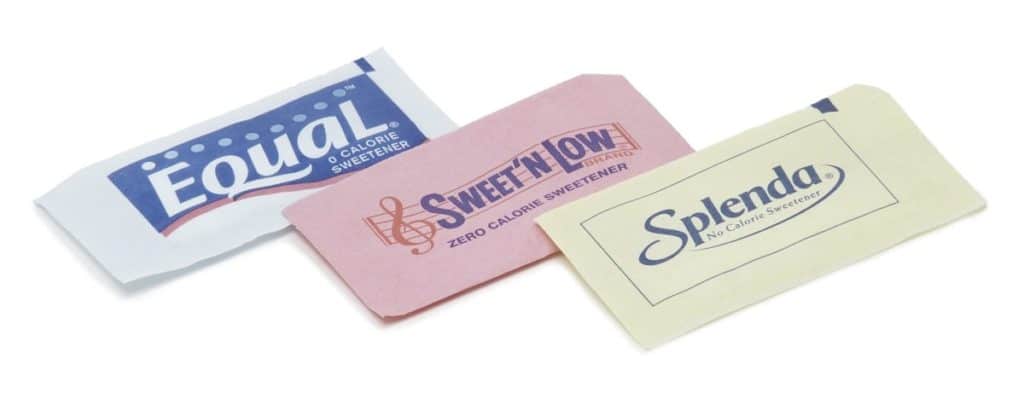
Zevia is sweetened with stevia, a natural zero-calorie sweetener. Zevia does not have artificial sweeteners like aspartame, or any form of sugar or sugar alcohols. Zevia does not have high-fructose corn syrup.
There’s good reason to be concerned about how any drink is sweetened. Most sweeteners have been declared “unhealthy” at some point, by some health authority or other.
But while stevia has some detractors, it’s not nearly as widely condemned as high fructose corn syrup—and not nearly as controversial as aspartame, either. So relatively speaking, it seems to be a better choice.
That said, there are still a couple possible concerns with stevia (and therefore with Zevia):
- A study that compared stevia to sugar found that blood sugar averages were the same between the two groups. While stevia did not raise blood sugar immediately, participants who had stevia ate more calories at their meals, raising blood sugar to a similar degree. See more about the blood-sugar issue below.
- Excessive consumption of stevia can increase mutagenic DNA damage. Research has found that our gut bacteria can turn stevia into steviol, which is toxic to us. Accordingly, the World Health Org (WHO) recommends limiting stevia to 4mg/kg of bodyweight per day. That’s about 2 stevia-sweetened drinks per day. (source)
So, stevia is not necessarily “unhealthy” or “unsafe” in any dramatic sense—but just keep in mind: It may not be a silver bullet to fix blood-sugar issues… and you may want to limit stevia-sweetened drinks to 2 per day to minimize DNA damage.
We’ll take a closer look at the blood-sugar question in the next section.
Related questions:
- Does Zevia contain erythritol? Zevia does not contain erythritol or any other sugar alcohols. It is solely sweetened with stevia.
- Does Zevia have carbs? Zevia contains 0 grams of carbohydrate per serving.
3. Does Zevia Raise Blood Sugar?

Zero-calories drinks like Zevia do not generally raise blood sugar in the short term. That is, they don’t cause a spike in blood-sugar right after consuming them. However, whether they raise it in the long-term is a different question.
Granted, there is some reassuring data on stevia and blood sugar. Several small studies have shown that stevia does not raise blood sugar or insulin levels, for obese and non-obese study participants. (source)
However, as I mentioned above, one study compared stevia to sugar and found that they resulted in the same daily blood-sugar averages. Participants who consumed stevia did not have an immediate blood-sugar spike—but they ate more at meal-time, causing similar blood-sugar levels. (source)
And there’s more reason for caution: Research suggests that many zero-calorie sweeteners can alter your gut bacteria in a way that worsens your tolerance to carbs on a longer-term basis.
A 2014 study on rats found that “aspartame elevated fasting glucose levels and an insulin tolerance test showed aspartame to impair insulin-stimulated glucose disposal.” This study was conducted over an 8-week period.
Here’s a broader study on how non-caloric sweeteners can induce glucose intolerance by altering the gut bacteria. And here’s a simpler YouTube video discussing the science overall.
Some authorities also worry about zero-calorie sweeteners causing blood-sugar issues through a different mechanism. That is, they can decouple the sensation of sweet taste from the presence of actual sugar in your meal. This can make it harder for your body to properly “know” when it needs to release insulin in the future.
It’s like “The Boy Who Cried Wolf“: With zero-calorie sweeteners, your brain perceives sweet taste, so it starts to prepare for a blood-sugar spike… but the sugar never comes—it was a false alarm.
So over time, your brain stops preparing as much for real sugar when you taste sweetness, and your metabolic response becomes less effective.
That’s the theory, anyway. For more detail, listen to Susan Swithers, professor of psychological sciences at Purdue University, on the Science Friday podcast. Or read her article in Trends in Endocrinology & Metabolism.
So, proceed with caution. If blood-sugar control is crucial for you, don’t assume stevia is completely safe. And keep in mind that some effects may be delayed, via changes to your appetite at meal-time or how your gut bacteria affects your glucose tolerance.
4. Is Zevia Good for Weight Loss?

One of the reasons people choose zero-calorie drinks like Zevia is to avoid extra calories. But evidence shows that consuming zero-calorie sweeteners is often surprisingly ineffective for weight loss. Some may even lead to weight gain.
You’d expect that switching from sugar to zero-calorie sweeteners would cause significant weight-loss… After all, you’re cutting all those calories that you used to drink from sugar, right? But in most studies, they cause little to no weight loss.
One explanation: Artificial sweeteners keep you accustomed to sweet drinks and food. So you still get cravings for sweets, and you end up eating more calories from something else. Other explanations have to do with how these sweeteners may affect your gut bacteria.
So, Zevia is likely a better choice for weight loss compared to normal soda, but it may not be a magical solution.
Just remember: The key to weight loss is your overall diet and calorie balance. So, whether you drink Zevia will not make or break your diet by itself.
If your goal is weight loss, you should consider (A) tracking your calories or (B) following some of these 18 tips for weight loss without counting calories.
Related question:
- Does stevia increase belly fat? Stevia was found to increase abdominal fat in at least one study… but that was a study of chickens. Overall, it appears that stevia causes most people to eat more calories later in the day. This could lead to weight gain in some people.
Looking for a sign that it’s time to take charge of your diet? This is it. Watch the Food or Health Masterclass—completely free—and discover the 10 surprising nutrition breakthroughs everyone should know. Reserve your free spot here!
5. Does Zevia Have Caffeine?
The following flavors of Zevia have caffeine: Mountain Zevia, Cola, Cherry Cola, and Dr. Zevia. These flavors have between 38 mg and 55 mg of caffeine per can (12 oz). All other flavors of Zevia are caffeine free.
Here is a table showing the caffeine content per serving (12 fl oz) of Zevia flavors:
| Zevia Flavor | Caffeine |
|---|---|
| Mountain Zevia | 55 mg |
| Cola | 45 mg |
| Cherry Cola | 38 mg |
| Dr. Zevia | 42 mg |
| Fruit Punch< |