

 Tyler McFarland on November 17, 2021
Updated on December 13, 2023 Reviewed and fact-checked Found a mistake? Let us know!
Is Gatorade Zero a healthy choice?
Gatorade Zero can be a healthy choice for extremely active individuals concerned with dehydration and electrolyte loss, but for non-athletes, it may have negative effects.
Continue reading to find out more and check your knowledge!
Ingredients to be cautious about
- Caramel color
- Sodium
- Sucrose syrup
- Bromide vegetable oil
- Sucralose
- Monopotassium phosphate
- Sugar
- Artificial food coloring
- Red 40
Possible short-term side effects
- Headache
- Nausea
- Fatigue
- Dizziness
Possible long-term side effects
- Heart disease
- Obesity
- Hypertension
- Stroke
- Type 2 diabetes
- Hypernatremia
- Tooth decay
- Hypervitaminosis A
Benefits
- Restores electrolyte balance
- Provides hydration
Healthy alternatives
- Apple cider vinegar
- Coconut water
- Fresh juice
Did you know...? 🤔
Is Gatorade Zero a healthy choice?
Can Gatorade Zero cause short term side effects?
Can Gatorade Zero cause long term side effects?
Related videos
Whenever you see foods or drinks that are “sugar free,” it’s worth checking the details. Often, the replacement ingredients are even worse for you than sugar. Today, we’ll take a look at Gatorade Zero and ask the question: Is Gatorade Zero actually healthy?
Gatorade Zero is a sugar-free, caffeine-free sports drink that helps to replenish electrolytes. However, it also has artificial sweeteners and artificial colors that may raise the risk of insulin resistance, hyperactivity in children, and other health issues. This makes its healthiness questionable.
Below, I’ll look closely at the ingredients and nutrition facts of Gatorade Zero. I’ll discuss whether it’s a good choice for weight loss, whether it raises blood sugar, and much more! I’ll also compare it with regular Gatorade, water, and soda.
Is Gatorade Zero Good for You?
Here are 14 specific questions I’ll be exploring about Gatorade Zero’s nutrition:
- What Does Gatorade Zero Have in It?
- Does Gatorade Zero Have Artificial Sweeteners?
- Are the Color Dyes in Gatorade Zero Safe?
- Why Does Gatorade Zero Have Calories?
- Does Gatorade Zero Have Electrolytes?
- Is Gatorade Zero High In Sodium?
- Is Gatorade Zero Good for Weight Loss?
- Does Gatorade Zero Raise Blood Sugar?
- Does Gatorade Zero Have Caffeine?
- Can Gatorade Zero Count As Water Intake?
- Is Gatorade Zero Better Than Regular Gatorade?
- Is Gatorade Zero Better Than Soda?
- Is Gatorade Zero Better Than Water?
- Is Gatorade Zero Vegan?
1. What Does Gatorade Zero Have in It?
Let’s start by actually looking at some Gatorade Zero ingredients. Below is a table showing three flavors. Most of the ingredients are the same for each flavor, but the coloring is actually quite different between flavors.
I’ll share my takeaway points below the table:
| Gatorade Zero Flavor | Ingredients |
|---|---|
| Orange | Water, Citric Acid, Sodium Citrate, Salt, Monopotassium Phosphate, Gum Arabic, Natural Flavor, Sucralose, Acesulfame Potassium, Sucrose Acetate Isobutyrate, Glycerol Ester Of Rosin, Yellow 6. |
| Berry | Water, Citric Acid, Natural Flavor, Sodium Citrate, Salt, Monopotassium Phosphate, Vegetable Juice Concentrate (Color), Modified Food Starch, Sucralose, Acesulfame Potassium, Glycerol Ester Of Rosin. |
| Glacier Cherry | Water, Citric Acid, Natural Flavor, Sodium Citrate, Salt, Monopotassium Phosphate, Modified Food Starch, Mixed Triglycerides, Sucralose, Glycerol Ester Of Rosin, Acesulfame Potassium. |
Here are the 3 biggest points I notice from these ingredients:
- Gatorade Zero has artificial sweeteners. On the bright side, Gatorade Zero doesn’t have sugar. But instead, it has Sucralose and Acesulfame K. These are controversial zero-calorie sweeteners, and they’re likely the worst aspect of Gatorade Zero. I’ll explore this more below.
- Gatorade Zero has added electrolytes. This is the main point of sports drinks like Gatorade Zero. It helps replace electrolytes like sodium and potassium as you lose them in your sweat. But does Gatorade Zero have too much sodium? We’ll cover that below.
- Most flavors of Gatorade Zero have artificial colors. As you can see above, the Orange flavor has Yellow 6, which is controversial for its possible health effects. We’ll explore artificial colors more below.
In my opinion, the biggest concern in Gatorade Zero for most people would be the artificial sweeteners. So we’ll cover those in-depth in the next section.
Related Question:
- Is There Anything Bad In Gatorade Zero? Some people consider the artificial sweeteners and artificial colors in Gatorade Zero to be bad. Some research links them to health risks like insulin resistance, migraines, hyperactivity in children, and possibly cancer.
3. Does Gatorade Zero Have Artificial Sweeteners?
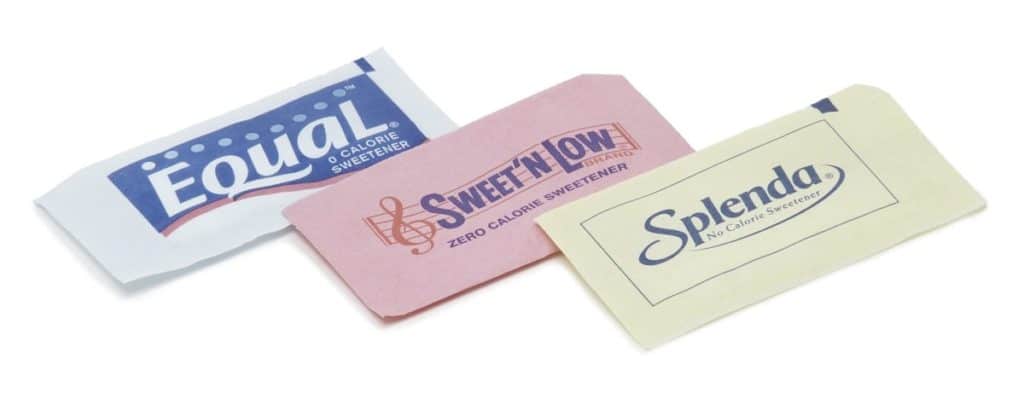
Gatorade Zero contains two artificial sweeteners, sucralose and acesulfame potassium. Both of these sweeteners are FDA approved and generally recognized as safe, but there remains some controversy around the long-term health impacts of each.
The most widely controversial artificial sweetener is probably aspartame. Personally, I avoid aspartame because of the research showing possible connections to depression. Gatorade Zero does not contain aspartame.
Another sweetener people sometimes have questions about is xylitol, especially since it is bad for dogs. Gatorade Zero does not contain xylitol.
So let’s look at the health concerns around the sweeteners in Gatorade Zero—sucralose and acesulfame K.
First, let’s cover sucralose:
- Sucralose seems to be a migraine trigger for some people. (source, source)
- Sucralose may cause insulin resistance through multiple mechanisms (more on that below).
- Sucralose has been shown to have a surprisingly minimal effect on weight loss.
What about acesulfame K?
- Studies in the 1970s suggested that acesulfame K might cause cancer—but the studies were not good quality. (source)
- One breakdown product of acesulfame K—acetoacetamide—may cause damage to the thyroid. (source)
- In a study of lactating women, acesulfame K was the artificial sweetener most found to make its way into breast milk. (source)
Most of the health concerns around artificial sweeteners are not well proven. But for many people, the risk feels scary nonetheless. Why take the risk if you don’t have to?
There’s still some uncertainty about how the human body reacts long-term to any artificial sweeteners. From what I’ve read, the healthiest zero-calorie sweeteners are likely to be erythritol, monk fruit extract, and stevia.
Here’s a video that covers more on the science around artificial sweeteners.
Does nutrition ever seem confusing? It doesn’t have to be. Learn how simple (and delicious) healthy eating can be in the FREE Food for Health Masterclass. This 1-hour presentation makes things clear—finally. Click here to reserve your free spot!
3. Are the Color Dyes in Gatorade Zero Safe?
Several flavors of Gatorade Zero have artificial colors like Yellow 5, Yellow 6, and Blue 1. Research suggests that artificial colors cause hyperactivity and behavioral issues in some children. There are also concerns around possible carcinogens in artificial colors used in Gatorade Zero.
I’ve made dedicated posts about each of these artificial colors before. But here are some of the specific health concerns people have:
- Yellow 5 (in the Lemon-Lime Flavor): A 2015 study found that Yellow 5 caused DNA damage in human white blood cells that it was exposed to. It’s possible that this could lead to tumor formation if it were to happen in amounts that can’t be repaired.
- Yellow 6 (in the Orange Flavor): Yellow 6 often contains known carcinogenic contaminants, including benzidine and 4-amino-biphenyl. These contaminants have only been documented at low levels where it shouldn’t be cause for concern, however. There were also animal trials where Yellow 6 resulted in the formation of kidney/adrenal tumors—but this result is disputed. (source, source)
- Blue 1 (in the Glacier Freeze Flavor): : An unpublished study on Blue 1 suggested that it may cause tumors in mice. In addition, a test-tube study found that Blue 1 inhibited nerve cell development. So the effect on unborn fetuses may be of concern. (source)
All of these artificial colors are still being tested on animals to determine their safety. The most established problem is hyperactivity in kids. Some governments around the world have taken steps to add warnings or ban some of these dyes.
It’s actually hard to find good sources on which of these dyes are actually banned in which countries. There seems to be misinformation online about this. I found the most credible references to Yellow 6 being banned in Japan and several European countries.
If you want to drink Gatorade Zero without artificial colors, then try out the Berry and Glacier Cherry flavors. These are free of artificial colors. The Berry flavor is sweetened with vegetable juice concentrates. The Glacier Cherry flavor is white, so no dye is needed. However, they still have artificial sweeteners.
4. Why Does Gatorade Zero Have Calories?

If you look at the nutrition facts for Gatorade Zero, you’ll notice something interesting.
It says “0 Calories” when you’re looking at the nutrition for an 12 oz serving… But it says “10 Calories” when you look at the nutrition for a whole container. (Actually, for the Orange flavor it only says “5 Calories.”)
Gatorade Zero actually has a very small amount of calories. These calories seem to come from the 2g of total carbs per container.
Looking at the ingredients list, I’m guessing that these carb calories come from “modified food starch” or similar ingredients. These are carbohydrates used in small quantities in Gatorade Zero.
In any case, Gatorade Zero is basically a zero-calorie drink. These 5-10 calories per container should not be enough to really be concerned about them from a dieting standpoint.
Related Question:<