

 Tyler McFarland on April 25, 2022
Updated on December 13, 2023 Reviewed and fact-checked Found a mistake? Let us know!
Is BodyArmor considered a healthy beverage option?
No, BodyArmor is not considered a healthy beverage option due to its high sugar content.
Continue reading to find out more and check your knowledge!
Ingredients to be cautious about
- Added sugars: Excessive sugar consumption can lead to weight gain, obesity, and an increased risk of chronic diseases such as cancer and high cholesterol.
- Citric Acid: High intake of citric acid is associated with dental erosion and enamel damage.
- Artificial sweeteners (in other products): Artificial sweeteners like aspartame and
Possible short-term side effects
- Weight gain
- Obesity
- Increased risk of chronic diseases such as cancer and high cholesterol
- Dental erosion
- Enamel damage
Possible long-term side effects
- Weight gain
- Obesity
- Increased risk of chronic diseases
- Cancer
- High cholesterol
- Dental erosion
- Enamel damage
Benefits
- Contains healthy electrolytes
- Includes coconut water
- Contains B vitamins
- No artificial colors or sweeteners
- Low in added sugar (BodyArmor Lyte)
- Good source of potassium
- No artificial sweeteners
- Includes added vitamins
- Helps with hydration
- Does not count as water intake
Healthy alternatives
- Water
- Herbal tea
- Fresh vegetable juice
- Sparkling water
- Coconut water
Did you know...? 🤔
Is BodyArmor considered a carbonated beverage?
Does BodyArmor contain artificial flavors?
Is BodyArmor a good source of electrolytes?
Related videos
BodyArmor is marketed as a healthier, more “natural” sports drink. Their commericals brag, “Thanks Gatorade. We’ll take it from here.” But if you’re a skeptical consumer like me, you might be asking: How much better is BodyArmor, really? Is it actually healthy?
BodyArmor is a sports drink containing healthy electrolytes, coconut water, B vitamins, and no artificial colors or sweeteners. However, it still has the same amount of added sugar as Gatorade. For a healthier option, choose BodyArmor Lyte, which only has 2 grams of sugar per serving.
Below, I’ll analyze the ingredients of BodyArmor and BodyArmor Lyte. I’ll break down whether these drinks are good for hydration and weight loss. And I’ll compare them to Gatorade, soda, and energy drinks to help you make an informed decision!
Is BodyArmor Good for You?
Here are the 14 questions we’ll address on BodyArmor nutrition. Click to skip ahead to any of them. Or just keep scrolling to read below:
- What Ingredients Are in BodyArmor?
- Does BodyArmor Have a Lot of Sugar?
- Does BodyArmor Have Artificial Sweeteners?
- Does BodyArmor Have Electrolytes?
- Is BodyArmor High In Sodium?
- Is BodyArmor Good for Weight Loss?
- Is BodyArmor Caffeine Free?
- Is BodyArmor Good for Hydration?
- Does BodyArmor Count As Water Intake?
- Is BodyArmor Good for You When You’re Sick?
- Is BodyArmor Better for You Than Gatorade?
- Is BodyArmor Better for You Than Soda?
- Can You Drink Too Much BodyArmor?
- Is BodyArmor Vegan?
1. What Ingredients Are in BodyArmor?
Let’s start by looking at what BodyArmor actually contains. BodyArmor has a few different product lines—including regular BodyArmor, BodyArmor Lyte (low calories), and BodyArmor Edge (caffeinated).
Let’s take a look at one flavor from each of those lines. I’ll share my takeaway points below the table:
| BodyArmor Drink | Ingredients |
|---|---|
| BodyArmor: Blue Raspberry | Filtered Water, Pure Cane Sugar, Coconut Water Concentrate, Citric Acid, Dipotassium Phosphate (Electrolyte), Vegetable Juice Concentrate (Color), Ascorbic Acid (Vitamin C), Magnesium Oxide (Electrolyte), Natural Blueberry Raspberry Flavor with other Natural Flavors, Niacinamide (Vitamin B3), Calcium D-Pantothenate (Vitamin B5), alpha-Tocopheryl Acetate (Vitamin E), Zinc Oxide (Electrolyte), Pyridoxine Hydrochloride (Vitamin B6), Folic Acid (Vitamin B9), Vitamin A Palmitate (Vitamin A), Cyanocobalamin (Vitamin B12). |
| BodyArmor Lyte: Watermelon | Filtered Water, Erythritol, Coconut Water Concentrate, Citric Acid, Dipotassium Phosphate (Electrolyte), Vegetable Juice Concentrate (Color), Ascorbic Acid (Vitamin C), Magnesium Oxide (Electrolyte), Stevia rebaudiana Leaf Extract, Niacinamide (Vitamin B3), Calcium D-Pantothenate (Vitamin B5), Natural Watermelon Flavor with other Natural Flavors, alpha-Tocopheryl Acetate (Vitamin E), Zinc Oxide (Electrolyte), Guar Gum, Pyridoxine Hydrochloride (Vitamin B6), Folic Acid (Vitamin B9), Vitamin A Palmitate (Vitamin A), Cyanocobalamin (Vitamin B12). |
| BodyArmor Edge: Strawberry Slam | Filtered Water, Pure Cane Sugar, Coconut Water Concentrate, Citric Acid, Dipotassium Phosphate (Electrolyte), Vegetable Juice Concentrate (Color), Ascorbic Acid (Vitamin C), Magnesium Oxide (Electrolyte), Caffeine, Gum Arabic, Natural Strawberry Flavor with other Natural Flavors, Niacinamide (Vitamin B3), Calcium D-Pantothenate (Vitamin B5), alpha-Tocopheryl Acetate (Vitamin E), Ester Gum, Zinc Oxide (Electrolyte), Pyridoxine Hydrochloride (Vitamin B6), Folic Acid (Vitamin B9), Vitamin A Palmitate (Vitamin A), beta-apo-8′ Carotenal (Color), Cyanocobalamin (Vitamin B12). |
Here’s what I notice about these ingredients:
- BodyArmor has coconut water concentrate. And it’s actually near the top of the ingredients list. This is more of a natural, plant-based ingredient than is typically found in Gatorade or Powerade.
- BodyArmor is free of artificial sweeteners. Many sports drinks contain artificial sweeteners, which are controversial, as they come with possible health risks. But not BodyArmor. (BodyArmor Lyte does have stevia and erythritol, natural zero-calorie sweeteners. We’ll discuss them below.)
- BodyArmor is free of artificial colors. Most sports drinks have artificial colors like Red 40 and Yellow 5. Since such dyes are controversial for safety, I’d consider it positive that BodyArmor doesn’t have any. Instead, BodyArmor uses vegetable juice concentrates for color.
- BodyArmor has added electrolytes. This is the main selling point of sports drinks like BodyArmor. They help replace electrolytes like sodium and potassium as you lose them in your sweat. But does BodyArmor have too much sodium? We’ll cover that below.
- BodyArmor has added vitamins. You can see vitamin E, A, B3, B5, B12, and others in the ingredients list. Even though fortified vitamins are generally not absorbed as well as those from whole foods, I’d still consider this a positive addition.
- BodyArmor and BodyArmor Edge have added sugar. This is really the only negative thing I can list about BodyArmor ingredients—but it’s potentially a big one. That said, BodyArmor Lyte is free of added sugar. We’ll look closer at BodyArmor’s sugar content below.
Overall, BodyArmor’s ingredients are quite healthy—except for the cane sugar. And that’s potentially a big one. If a beverage has too much sugar, it could be very unhealthy, despite all the other ingredients being healthy.
So let’s look at the sugar content next.
2. Does BodyArmor Have a Lot of Sugar?
BodyArmor has the same amount of sugar as Gatorade and Powerade: 21 grams in each 12 fl oz serving. If you want a lower-sugar option, choose BodyArmor Lyte, which only has 2 grams of sugar in each 12 fl oz serving.
Here is a table showing BodyArmor’s sugar content, compared to Gatorade and Powerade:
| Drink | Sugar (per 12 fl oz) |
|---|---|
| BodyArmor (Blue Raspberry) | 21g |
| BodyArmor Lyte (Watermelon) | 2g |
| BodyAmor Edge (Strawberry Slam) | 26g |
| Gatorade Thirst Quencher (Fruit Punch) | 21g |
| Powerade (Grape) | 21g |
As you can see, BodyArmor Edge has even more sugar than Gatorade and Powerade, without around 26 grams per 12 fl oz. Wow! Why does BodyArmor have so much sugar?
Well, if you’re actually exercising hard for hours, then you may need some simple carbs to fuel your activity. In that case, the sugar found in these sports drinks could be helpful.
However, the real reason is probably just that sugar tastes good. And Gatorade has set a certain expectation in the marketplace about how sweet a “sports drink” should taste. And BodyArmor has followed suit.
For me personally, the amount of sugar in BodyArmor (and Gatorade) is too high. I’ve found that consuming too much sugar worsens my acne. And there’s a bunch of other health reasons to limit sugar, too.
But BodyArmor Lyte is another story. With only 2g of sugar per serving—and no added, processed sugar—I consider BodyArmor Lyte to be a really solid choice.
Related Questions:
- Is BodyArmor keto-friendly? Regular BodyArmor is not keto-friendly, as it has 21g of carbs per 12 fl oz serving. Even BodyArmor Lyte has 14g of total carbs per serving, likely too much for a truly low-carb diet. However, BodyArmor Sport Water is a keto-friendly option with 0g of carbs per serving.
3. Does BodyArmor Have Artificial Sweeteners?
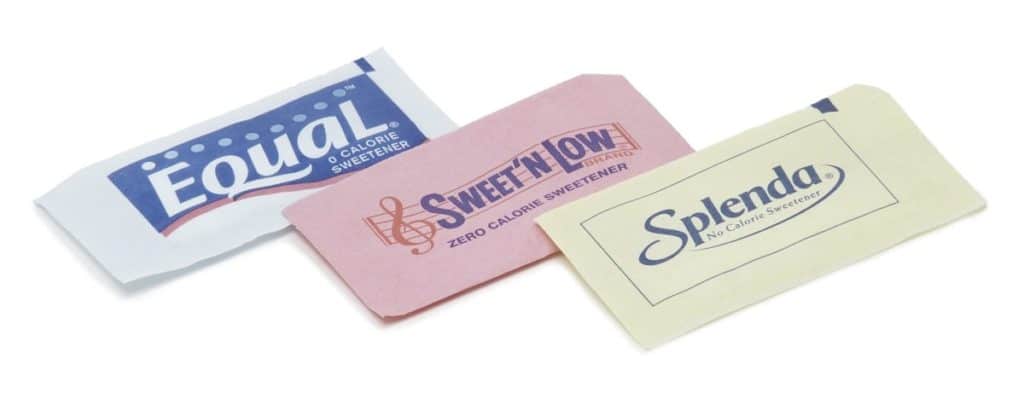
BodyArmor does not have aspartame, sucralose, or any other artificial sweeteners. Regular BodyArmor is sweetened with cane sugar, and BodyArmor Lyte is sweetened with erythritol and stevia, which are natural zero-calorie sweeteners.
This is one of the most interesting things about BodyArmor Lyte. Most zero-calorie sports drinks—like Gatorade Zero and Powerade Zero—have artificial sweeteners like sucralose and acesulfame K. Although those sweeteners are FDA approved, there is controversy about their long-term health impacts.
Here are just a few of the concerns with artificial sweeteners found in Gatorade Zero, for example:
- Sucralose seems to be a migraine trigger for some people. (source, source)
- Sucralose and other artificial sweeteners may increase insulin resistance through multiple mechanisms.
- Studies have suggested acesulfame K may cause cancer, although the studies were of low quality. (source)
- A breakdown product of acesulfame K, acetoacetamide, may damage the thyroid. (source)
Overall, the science around the long-term health impacts of artificial sweeteners are not fully known. But it’s great when a product like BodyArmor Lyte can help us just avoid all the uncertainty by not using them.
4. Does BodyArmor Have Electrolytes?
BodyArmor has healthy electrolytes, with around 30mg of sodium and 530mg of potassium per 12-oz serving. Compared to Gatorade, BodyArmor has around 10 times the potassium content, but only 1/5th as much sodium. This may be a better ratio, as more people are low in potassium than sodium.
Here is a table showing the sodium and potassium content of BodyArmor, compared to Gatorade and Powerade:
| Drink | Sodium | Potassium |
|---|---|---|
| BodyArmor (Blue Raspberry) | 30mg | 530mg |
| BodyArmor Lyte (Watermelon) | 30mg | 530mg |
| BodyAmor Edge (Strawberry Slam) | 30mg | 530mg |
| Gatorade Thirst Quencher (Fruit Punch) | 160mg | 50mg |
| Powerade (Grape) | 150mg | 35mg |
Only about 2% of American adults get the recommended intake of potassium, so the high amount of potassium in BodyArmor is intriguing. Apparently, the high potassium content in BodyArmor comes from the coconut water.
This is an area where I’d gladly choose BodyArmor over Gatorade or Powerade. I’d rather get extra potassium, rather than sodium, personally!
Now let’s look at whether the sodium levels in BodyArmor are excessive or not.
5. Is BodyArmor High In Sodium?
