

 Tyler McFarland on December 31, 2019
Updated on November 8, 2023 Reviewed and fact-checked Found a mistake? Let us know!
When I was a kid, I remember hearing that glue was made from horses. Truly, millions of kids have probably been traumatized by hearing that. But is it true? I decided to do some research on how glue is made nowadays.
Is glue vegan? Glue is usually vegan. Historically, a lot of glue was made from collagen in animal hides, bones, and fish. But today, most manufacturers have switched to synthetic adhesives made from petroleum. These synthetic, vegan glues include polyvinyl acetate (PVA), cyanoacrylates, epoxies, and more.
Below, I’ll cover every kind of glue you can think of. I committed myself to making the best vegan glue guide on the Internet. By the end, you’ll know more about glue than you ever thought possible!
The Far Majority of Glue Today Is Vegan
Let me say this clearly: Most glue does not contain animal products.
I’ve seen some people online claim that “most glue isn’t vegan.” After doing the research myself, I’ve found this to be a very misleading statement.
The far majority of glue used today is vegan:
- Almost every kind of glue you can buy in the store is vegan. From Elmer’s glue to Gorilla Glue, and from Krazy glue to epoxy, they’re pretty much all synthetically made—free of animal products. (I’ll go into more detail below.)
- Even in industry, most glue used today is vegan. When you look into what shoe companies and bookbinders are using today, it’s mostly synthetic glues made from petroleum, too—no animals involved.
There are only a few industries and applications where animal glue is still commonly used. Let’s cover that next.
Animal Products in Glue?

Animal glue was much more common in the past. Historically, it’s been used for thousands of years.
In fact, the places where I’ve found animal glue to be most common is where you’re making something “old-fashioned.” So you use the old style of glue—animal glue!
According to L.D. Davis, a company that still produces animal glue today, the following is a list of some of the things animal glue still gets used for:
“Rigid and cardboard boxes, Bookbinding, Abrasives, Match heads, Laminating, Paper crimping, Antique restoration, Woodworking, Gummed tapes, Glass chipping, Musical instruments, Stationary, Paintballs, Birdseed molds, Art canvas sizing”
Keep in mind, this doesn’t mean all cardboard boxes or all musical instruments are made with animal glue. These are just applications where it may be used.
In fact, when it comes to bookbinding, which is included on this list, I’ve found that the majority of bookbinders have switched to synthetic glue.
Similarly, in woodworking, it’s mostly specific types of woodworking where animal glue is popular—mainly furniture restoration and musical instruments. Common “wood glue” is synthetic and vegan!
Anyway, animal glue does still exist. So let’s cover some of the specific types of animal glue you might see.
Hide or Skin Glue
Hide glue is the most common animal glue that I actually see people using today. It’s made from boiling animal skins to get the collagen protein, which is sticky.
Hide glue is often recommended for woodworking, particularly with furniture restoration or musical instruments. Why? Because it can be softened and taken apart without damaging the wood. Hide glue allows for reversibility.
You might specifically see “rabbit skin glue,” too. As the name implies, this glue is not vegan.
One remaining question I have about “hide glue” pertains to Titebond’s liquid hide glue, which is called Genuine Hide Glue.
I read in a forum that Titebond’s Genuine Hide Glue is actually synthetic. But the name (“Genuine”) suggests otherwise, and I didn’t hear back from the company when I asked. More on Titebond below.
Gelatin in Glue
Apparently, one common way that animal glue gets produced today is from leftover gelatin scraps from the pharmaceutical industry.
Gelatin, if you’re not familiar, is made from boiling animal skins, joints, hooves, and the like. And the pharmaceutical industry uses a lot of it for things like pill casings.
Well, these pill factories seem to have a bunch of leftover scraps created after punching out all those pill shapes. Animal glue companies apparently buy it and make glue from it. (source)
Other Animal Glues: Bone, Fish, Casein, Albumen
Here are some other types of animal glues you might see:
Bone glue: Animal protein glue can also be made from bones. Apparently, most nineteenth-century furniture was made with bone glue. It was common until the mid-twentieth century when it became too slow and inconvenient compared to synthetic glues (source).
Fish glue and isinglass: Isinglass is some kind of fish gelatin that can show up in the wine-making process, too. I found there is “sturgeon glue” made of isinglass that is used for stuff like parchment paper restoration. Supposedly fish glue is a lighter-colored, weaker adhesive compared to hide glue.
Casein is a protein in milk, and it can also be used to make glue. In the past, it was used a lot in woodworking, furniture, and even in aviation during World War I. But since the creation of newer, synthetic glues, it doesn’t seem common anymore.
Albumen is another protein found in animals. One way to collect the albumen for glue is to dry out the blood of animals. That was the old-fashioned way—not sure if it’s done anymore. Egg albumen has also been tested for use as a medical glue, but I don’t believe it’s commonly used for that currently.
Is Glue Made from Horses?
Historically, horse hooves and other horse parts were used to make glue. Today, animal-based glue is more commonly made from cattle, pigs, and fish. And of course, synthetic glue made from petroleum is far more common yet. Most glue production doesn’t involve animals at all.
Side Note: This is the best free video introduction I’ve found on adopting a plant-based diet—the right way. You’ll learn how to lower your risk of cancer, heart disease, type-2 diabetes, Alzheimer’s, and obesity—all with plants. Watch the free Masterclass here.
Types of Vegan Glue
So when I say “most glue is vegan,” what exactly is in those types of glue? If it’s not boiled animal protein, what is it?
Most vegan glue is synthetically produced from petroleum. Some other glues are made from plants such as corn.
Here’s a bit deeper look into each of those categories:
Synthetic Glue (Often From Petroleum)
Today, the most common and affordable way to produce adhesives is with petroleum, natural gas, and other substances like that.
Specific chemical reactions can be carried out to build complex polymers with desired properties. It’s pretty amazing from a technological perspective, although I can’t vouch for all of it being eco-friendly.
Here’s a list of common synthetic glues:
- Polyvinyl acetate (PVA). PVA glue is made from a reaction between acetylene and acetic acid. PVA is the basis for Elmer’s glue, many wood glues, and others. Very common.
- Cyanoacrylates, made from reacting cyanoacrylic acid with an alcohol. This type of glue is fast-acting and includes things like super glue and crazy glue.
- Epoxy adhesives are also made synthetically from petroleum. As described here, epoxy glues contain two parts—an epoxy resin and a curing agent. It’s a common adhesive in industrial contexts.
- Polyurethane glues provide another synthetic option. Reactions between isocyanates and polyols lead to these cross-linked polymers.
- And many more! There are so many adhesives that can be made from petroleum, all with different properties and purposes. Two more common ones: vinyl acetate ethylene (VAE) and vinyl acetate acrylates (VAA).
All of these synthetic glues are vegan for practical purposes—that is, they are not made from animals.
Plant-Based Glue
There are also organic glues made from vegetable starch, resins, cellulose, and other plant materials. These are also typically vegan.
One of the most popular plant-based glues is made from gum arabic, a product of the acacia tree. My understanding is that it’s a product of the sap from that tree.
And a big category of plant-based glue would be starch or dextrin adhesives. One example of these, which I’ll cover in more depth below, is envelope glue. Starch-based glue is also common in product packaging.
Vegan Glue F.A.Q.
Now let’s cover the real, practical questions. Which of the common brands and types of glue available today are vegan?
Like I explained above, most glue is vegan. But let’s dive into each category and see if there’s anything specific to address with that type of glue.
Is Elmer’s Glue Vegan?
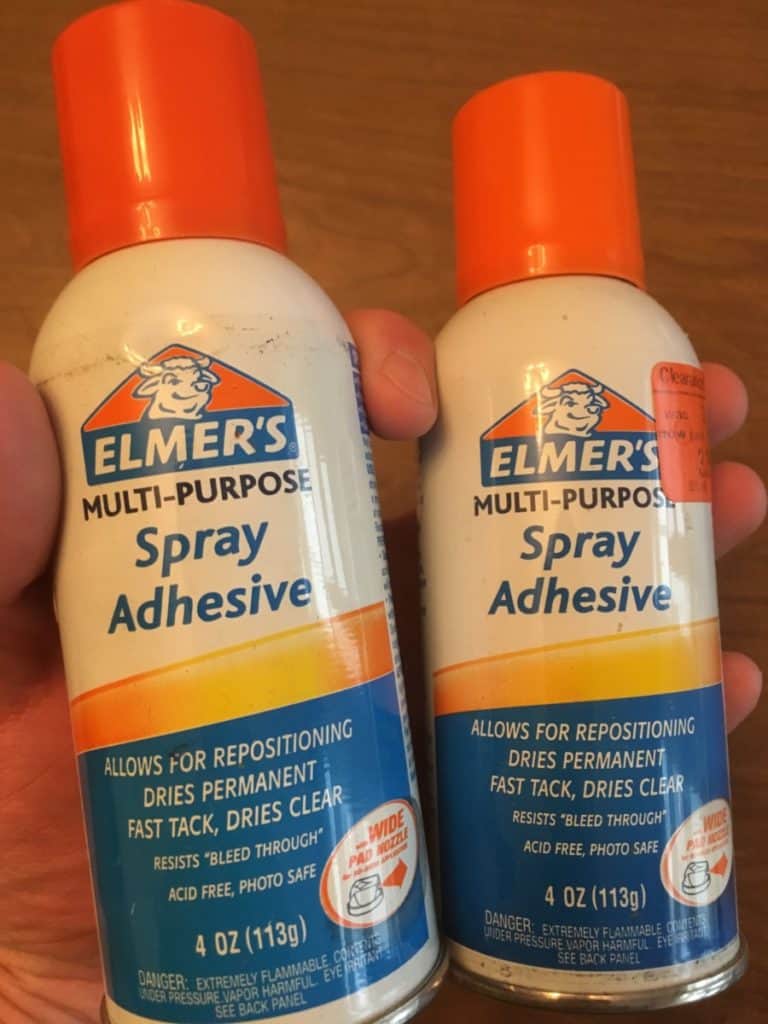
Elmer’s glue is vegan. The company website clearly states, “Elmer’s does not use animals or animal parts to make glue. Our products are made from synthetic materials and are not derived from processing horses, cows or any other animals.”
When answering a question about using Elmer’s with a milk allergy, the company also said this: “Our products are derived from synthetic materials, not any type of animal or milk protein.” (source)
The exact recipe for Elmer’s glue is proprietary, but their signature school glue one of many glues made from polyvinyl acetate (PVA). This is a polymer produced synthetically.
Elmer’s produces a broad array of glues and adhesive products, so others may be based on cyanoacrylates or other polymers. In any case, the original material for Elmer’s glue are petroleum, natural gas, or other materials—not animals.
Interestingly, Elmer’s glue used to contain casein, a milk protein, back when the brand was owned by Borden (a dairy producer). And this is actually the origin story behind the cow in the Elmer’s logo.
However, Elmer’s has long since dropped casein from its recipe. Today, like most glue on the market, Elmer’s is vegan.
Is Gorilla Glue Vegan?
All Gorilla Glue products are vegan. Representatives from The Gorilla Glue Company have confirmed that they do not perform any animal testing, and none of their products contain animal by-products or animal-derived ingredients.
Gorilla Glue makes a ton of different glue products that are widely loved. That’s why it’s awesome that their response to my email was one of the best of any company.
I emailed the company in December 2019 to ask if their products contain any animal products, and this was their response:
“We believe strongly in the inherent rights of animals. Therefore, The Gorilla Glue Company does not perform any kind of animal testing, and there are no animal by-products or animal-derived ingredients in any of our products.”
Personally, I like this response. Not only does it clearly and fully answer the question, but it even affirms the “inherent rights of animals.” This may just be a public relations move, but I like it.
I feel good about supporting a company that’s willing to say they believe in animal rights, rather than just informing you that their product happens to be animal-free.
So I was happy with Gorilla Glue’s response, and I will gladly support them as a vegan.
Is Weldbond Vegan?
Weldbond glue is vegan. It is a type of PVA glue (polyvinyl acetate), which is made synthetically from petroleum. The Weldbond website also states clearly that their glue is vegan-friendly, not tested on animals and with no animal ingredients.
I love how prominently Weldbond declares itself to be a vegan product. While some glue companies make you send them an email just to find out if the product contains animal products, Weldbond clearly states it on their FAQ page.
Here’s their precise wording, complete with humor and all:
“Weldbond® is not tested on animals and does not contain any animal by-products. This product is vegan-friendly. However, that doesn’t mean it makes for a great salad dressing. Don’t eat it.”
I even saw this Weldbond advertisement (below) which lists “no animal by-products” as one of the benefits of the product! Now that’s a vegan-friendly glue! Awesome company to support. Grab some here on Amazon.

Are Glue Sticks Vegan?
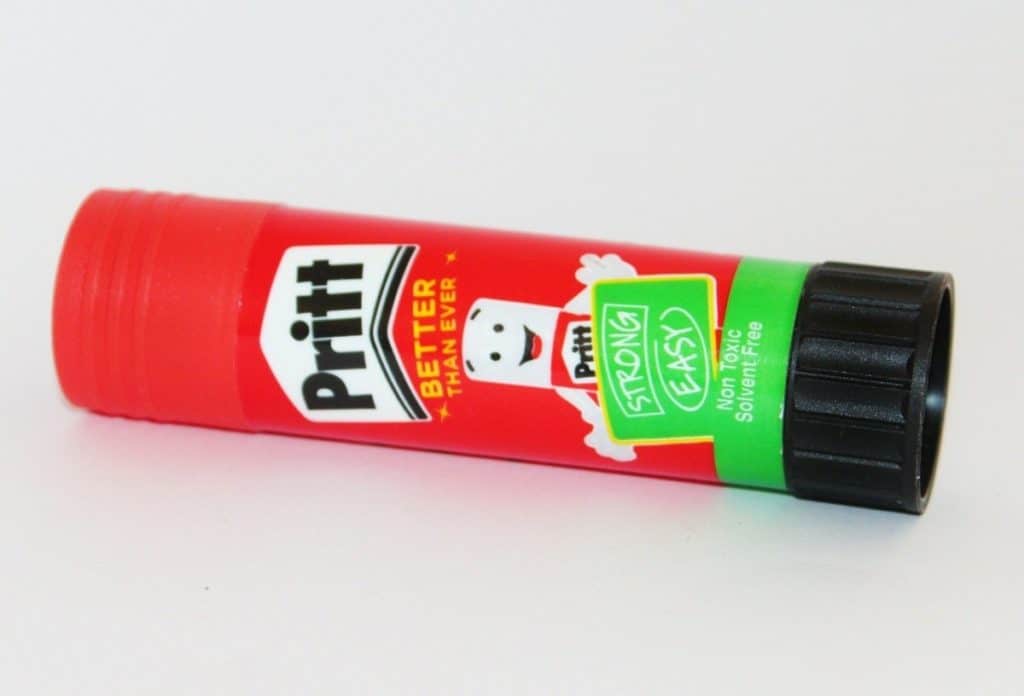
Glue sticks are usually vegan. As with most glue used today, the glue in glue sticks is synthetically produced from petroleum products, not animals.
We’ve already covered the fact that Elmer’s glue and Gorilla Glue products are all vegan. So this definitely includes Elmer’s glue sticks and Gorilla Kids glue sticks.
Two other popular brands of glue sticks are Pritt and UHU.
Unfortunately, when I reached out to Pritt and UHU to ask if their glue sticks are vegan, I didn’t receive any reply. But honestly, I feel pretty confident they’re vegan anyway. It’s just so uncommon to include animal products in these mass-produced adhesives today.
Are Glue Dots Vegan?
Glue Dots are vegan. The company has stated that its products are synthetic and rubber-based, not containing animal products. In addition, they’ve confirmed they do not use animals when conducting tests on their products.
Glue Dots are an interesting product that I honestly hadn’t even heard of before writing this post. But that didn’t stop me from investigating what they are made of!
I emailed the company in December 2019 to ask if Glue Dots are vegan, and this was their response:
“Our products are produced using a variety of synthetic, rubber-based adhesives. As such, these adhesives do not contain any animal by-products. Also, we do not use animals when conducting tests on its material and/or products.”
Personally, I’m satisfied with this response and would give Glue Dots a stamp of vegan approval.
Is Super Glue Vegan?
Super glue is generally considered vegan. Like most glue today, super glue consists of synthetic polymers sourced from petroleum. With super glue, those polymers are mainly cyanoacrylates. They do not include animal ingredients.
There are many brands of super glue, but if your specific brand isn’t listed anywhere on this page, I would assume your super glue is vegan.
There is no reason to include animal products in super glue, and the brands that responded did confirm that they don’t contain animal products.
(Remember from above that all Elmer’s glue and all Gorilla glue is vegan, so that applies to those brands’ super glue, too.)
Is Krazy Glue Vegan?
Krazy Glue is vegan. The glue is made from ethyl cyanoacrylate, a chemical not sourced from animals. In addition, customer service representatives from Krazy Glue have specified that their products contain no animal ingredients.<