

 Tyler McFarland on March 8, 2022
Updated on December 13, 2023 Reviewed and fact-checked Found a mistake? Let us know!
Is Fresca considered a healthy beverage?
No, Fresca is not considered a healthy beverage due to its harmful ingredients and should be consumed in moderation.
Continue reading to find out more and check your knowledge!
Ingredients to be cautious about
- Acesulfame potassium
- Citric acid
- EDTA
- Aspartame
- Brominated vegetable oil
Possible short-term side effects
- Possible gastrointestinal discomfort
- Temporary increase in heart rate
- Temporary increase in blood pressure
- Headache
- Insomnia
- Irritability
- Anxiety
- Temporary memory problems
- Temporary difficulty concentrating
- Nausea
- Weakness
- Dizziness
Possible long-term side effects
- Disruption of fertility
- Skin rash / asthma
- Tumor development
- Cancer
- Disruption of thyroid function
- Tooth erosion
Benefits
- Zero calorie
- Zero fat
- Zero carb
Healthy alternatives
- Juice & seltzer
- Carbonated water
- Natural sodas
- Juice
Did you know...? 🤔
Is Fresca considered a healthy beverage?
Does Fresca contain harmful ingredients?
Is Fresca zero calorie?
Related videos
Processed sugar is bad for us—but that doesn’t always mean “sugar free” is good. In fact, some ingredients used to replace sugar could be just as bad or worse. Today, let’s look at a classic sugar-free drink, Fresca, to see if it’s really healthy.
Fresca is a calorie-free and sugar-free beverage. However, it has the artificial sweetener aspartame, which may increase risk of cancer, heart disease, mood disorders, and other issues. It also has acesulfame K, another artificial sweetener with potential health risks.
Below, I’ll discuss whether Fresca is a good choice for weight loss, whether it raises blood-sugar levels, and much more. I’ll also compare Fresca with Diet Coke—and with Sprite—to see which is healthier.
Is Fresca Bad for You?
Here are the 11 specific questions I’ll be answering about Fresca nutrition. Click any of them to skip to that section—or just keep scrolling to read them all:
- What Is Fresca Made Of?
- What Is Fresca Sweetened With?
- Does Fresca Raise Blood Sugar?
- How Much Sodium Is in Fresca?
- Is Fresca Good for Weight Loss?
- Does Fresca Give You Cancer?
- Is Fresca Soda or Sparkling Water?
- Is Fresca Healthier Than Diet Coke?
- Is Fresca Healthier Than Sprite?
- Is Fresca Keto-Friendly?
- Is Fresca Vegan?
1. What Is Fresca Made Of?
Let’s start by looking at what Fresca actually contains. This is the Original, Grapefruit Citrus flavor, but the other flavors are similar:
Ingredients: Carbonated Water, Citric Acid, Concentrated Grapefruit Juice, Potassium Citrate, Aspartame, Potassium Sorbate (To Protect Taste), Acacia Gum, Acesulfame Potassium, Natural Flavors, Glycerol Ester Of Rosin, Potassium Benzoate and Calcium Disodium EDTA (To Protect Taste), Carob Bean Gum. (source)
Here are my takeaway points on these ingredients:
- Fresca is sweetened with aspartame and acesulfame K. These artificial sweeteners are FDA approved, but controversial. Studies have suggested they may be linked to an increased risk of cancer, heart disease, brain disease, mood disorders, insulin resistance, and more. We’ll look more closely at them below.
- Fresca has no artificial colors or “caramel color.” Many zero-calorie drinks contain artificial colors, which are controversial for safety—but Fresca doesn’t have any. Also, compared to colas, Fresca avoids the possible carcinogen associated with “caramel color.”
- Fresca has no phosphoric acid. Phosphoric acid is another one of the bad ingredients often found in colas—it’s been linked to osteoporosis and lower bone density, as well as cavities and tooth decay. But, Fresca doesn’t have it!
- Fresca has several preservatives. These include citric acid, potassium sorbate, potassium benzoate and calcium disodium EDTA. Some people worry about preservatives, but they’re FDA approved, and these ones don’t seem particularly risky.
- Fresca is caffeine free. Caffeine has pros and cons. It actually may reduce your risk of Alzheimer’s and Parkinson’s disease. But it’s habit forming, and too much can disrupt your sleep or cause other issues—so, you may prefer a caffeine-free drink like Fresca.
Overall, I see fewer problems with Fresca’s ingredients compared to many sodas, especially colas. Fresca doesn’t have the same artificial colors, caramel color, or phosphoric acid.
However, there is still one big concern I have with Fresca—it’s the artificial sweeteners. So let’s take a closer look at those next in the next section.
2. What Is Fresca Sweetened With?
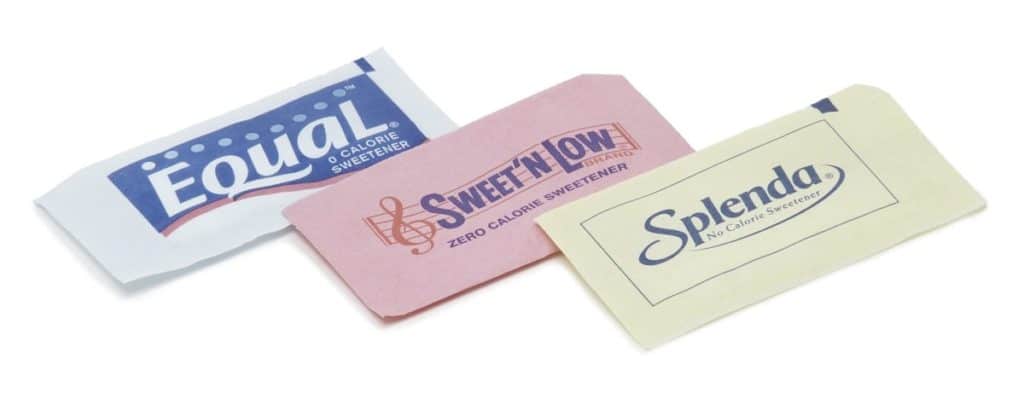
Fresca contains the artificial sweeteners acesulfame K and aspartame. These are two of the most widely used artificial sweeteners in the world, and both are FDA approved. However, studies have suggested possible links to cancer, heart disease, obesity, stroke, Alzheimer’s, depression, and more.
Let’s start by discussing aspartame, since it’s especially famous and controversial. It’d be hard to cover all of its possible health risks here. If you want to go deep on this subject, you can browse this page from U.S. Right to Know. But I’ll try to summarize.
Some of the biggest concerns with aspartame include:
- Cancer: There has been evidence showing that rodents develop cancer when exposed to aspartame over their lifespan. Aspartame was also posed as a possible explanation for dramatic increases in malignant brain tumors in the years immediately after its approval.
- Heart Disease: Several high-profile cardiologists have sworn off aspartame based on the evidence against this sweetener. A 2014 study found that women who had more than two diet drinks per day experienced more cardiovascular events (like heart attacks).
- Brain Disease: Studies show that consumption of diet drinks is linked to three times higher risk of stroke and dementia. There are also possible connections to Alzheimer’s disease, via methanol, which is a breakdown product of aspartame in the body.
- Obesity: This one may seem ironic, as aspartame is used in many “diet” products. But research has suggested a possible link between aspartame and weight gain, along with increased appetite.
- And more: There have been possible links found between aspartame and headaches, mood disorders, learning problems, kidney function decline, diabetes, pre-term birth, and more. Find a longer list, with sources, here.
Now, what about acesulfame potassium? This sweetener is often referred to as “acesulfame K” or “Ace-K.” Here are some concerns people have with it:
- Studies in the 1970s suggested that acesulfame K may cause cancer—but the studies were of low quality. (source)
- A breakdown product of acesulfame K—acetoacetamide—may cause damage to the thyroid. (source)
- In a study of lactating women, acesulfame K was the artificial sweetener most found to make its way into breast milk. (source)
Overall, remember: The long-term health concerns with artificial sweeteners are just that—concerns. If they were proven to be acutely and definitely unsafe, they would probably not be approved by the FDA and other government bodies around the world.
The important thing is to acknowledge that you’re taking some amount of risk with the artificial sweeteners in Fresca and other zero-calorie drinks. But you may be just fine, especially in moderation.
Personally, I started avoiding aspartame because of some research I found on aspartame and depression. I also worry about how artificial sweeteners affect insulin resistance. Let’s cover that next.
3. Does Fresca Raise Blood Sugar?

I wasn’t able to find research directly on whether Fresca raises blood sugar. However, Fresca has aspartame and acesulfame K, which have been studied in this regard a little.
Artificial sweeteners do not generally raise blood sugar in the short term. Some research suggests they may alter your gut bacteria in a way that worsens your tolerance to carbs on a longer-term basis… But this is not well-confirmed with human studies at this point.
A 2014 study on rats found that “aspartame elevated fasting glucose levels and an insulin tolerance test showed aspartame to impair insulin-stimulated glucose disposal.” This study was conducted over an 8-week period.
I also found some discussions of artificial sweeteners causing insulin issues through another mechanism. That is, the sweet taste could potentially trigger an insulin response even without real sugar in your bloodstream.
So, proceed with caution. If blood-sugar control is crucial for you, I’d recommend testing whether Fresca has any affect for you. Also, keep in mind that some effects on your blood sugar may be delayed, via longer-term changes in your gut bacteria.
Related Questions:
- Can Fresca Cause Diabetes? Consumption of artificial sweeteners has been linked to increased risk of type-2 diabetes in several studies. Therefore, it is possible and logical that drinking Fresca regularly could potentially elevate diabetes risk.
4. How Much Sodium Is in Fresca?
Fresca has about 35mg of sodium per 12 fl oz serving (360 mL). This is a little lower than other popular sodas like Sprite and Coca-Cola. One serving of Fresca only has about 1.5% of the daily recommended limit of 2,300 mg of sodium per day.
Here’s a table showing how Fresca’s sodium compares to some other popular drinks:
| Drink | Sodium (per 12 fl oz) |
|---|---|
| Fresca | 35mg |
| Coca-Cola | 45mg |
| Sprite | 65mg |
| Pepsi | 30mg |
| Fanta Orange | 55mg |
| Diet Coke | 40mg |
Of course, if you drink Fresca all day, you could still end up consuming at least several hundred milligrams of sodium from it… So, still be mindful if you’re trying to keep your sodium levels in check.
5. Is Fresca Good for Weight Loss?

One of the reasons people choose zero-calorie drinks like Fresca is to avoid extra calories. But evidence shows that consuming artificial sweeteners is surprisingly ineffective for weight loss. And they may even lead to